overgrowth
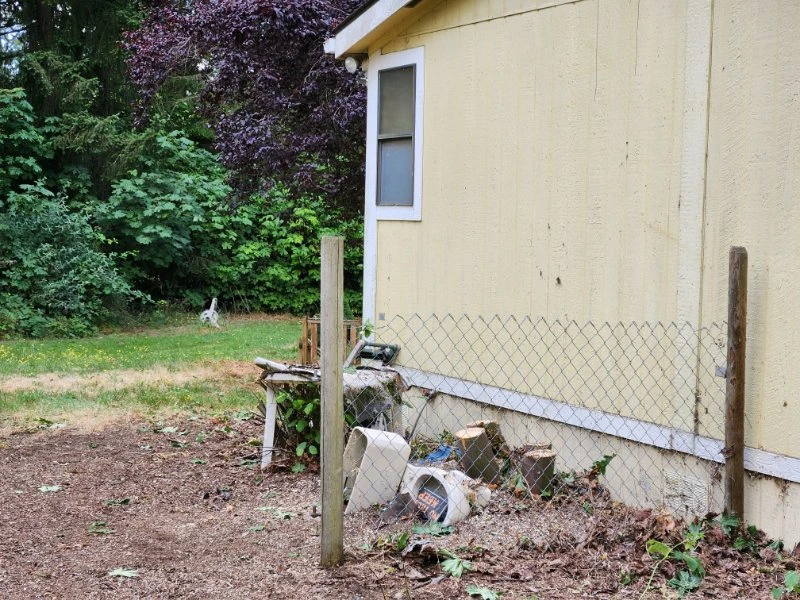
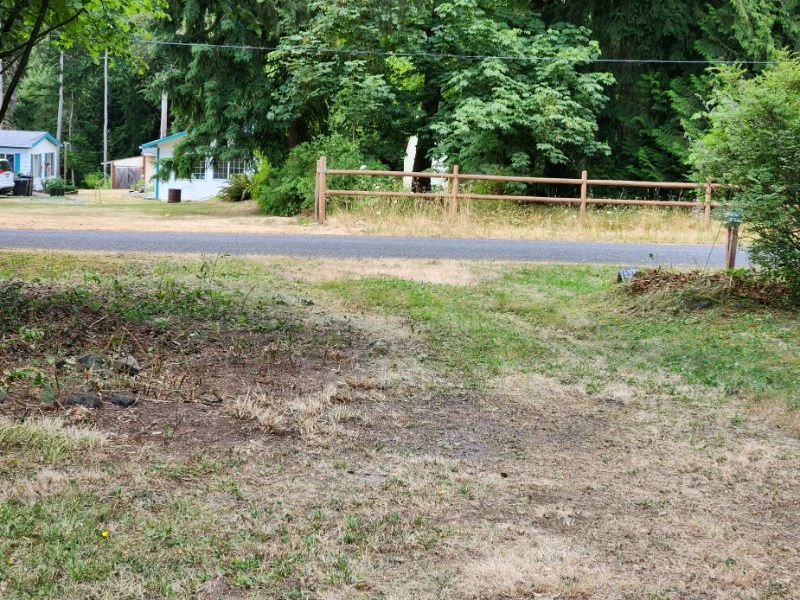
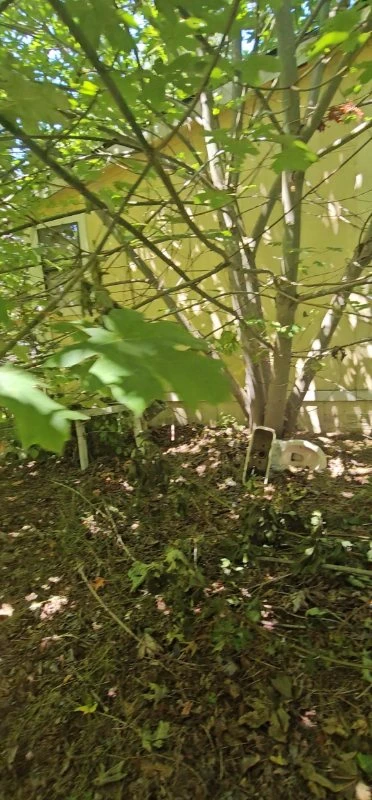
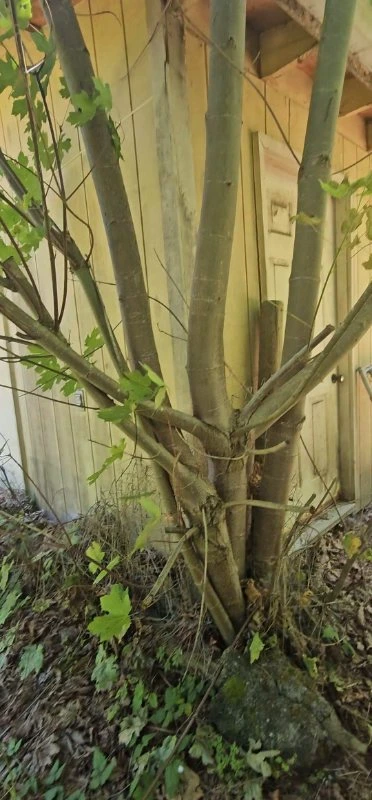
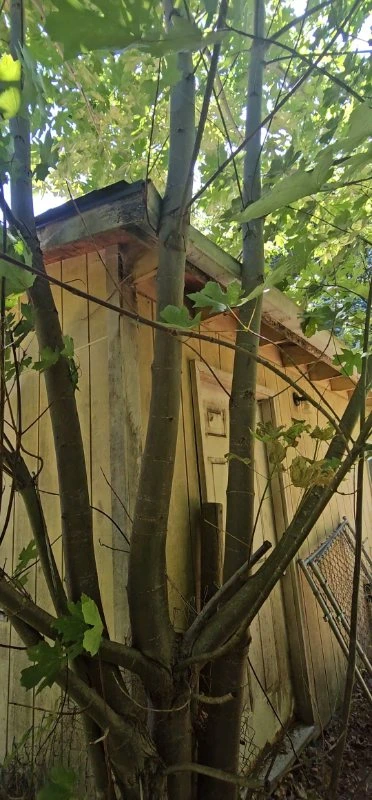
Here is an overgrowth scenario where the underbrush and Maples had been growing wildly for many years and unpruned.
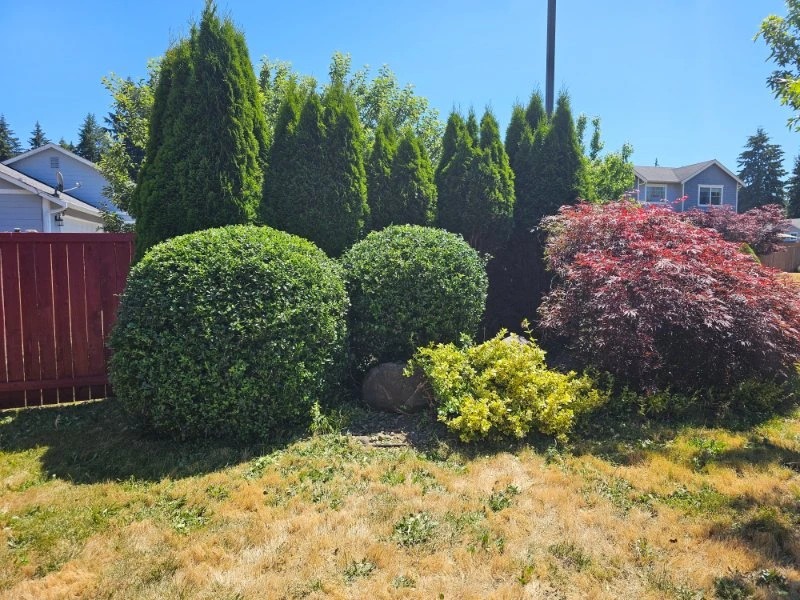
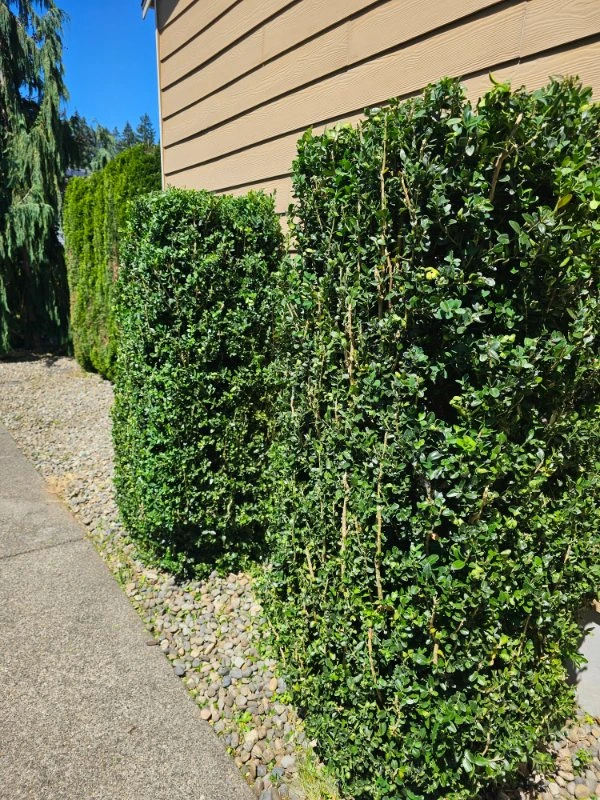
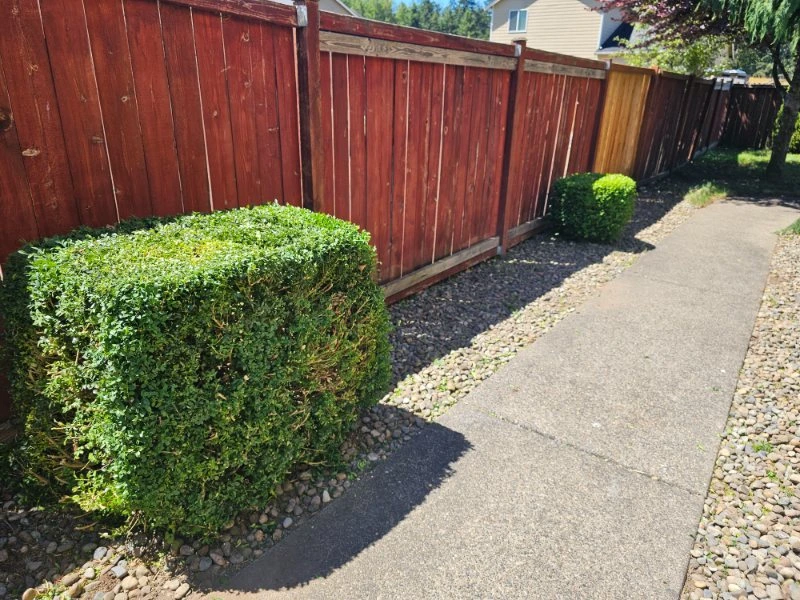
Before and after photos of a good amount of trimming and removals.
Shrubs
Didn’t get any before pictures, but the hedge trimming turned out phenomenal after being overgrown for about 3 years. It is very important to keep all vegetation at least 6 inches or so away from your structures to prevent molding and structure damage from the foliage growing into your siding or scratching it. Trimming your tree limbs off and away from your roof will prolong the life of your shingles, preventing moss. Also, not allowing critters to access your roof and vents to nest in.
Livestock/ horse pasture safety
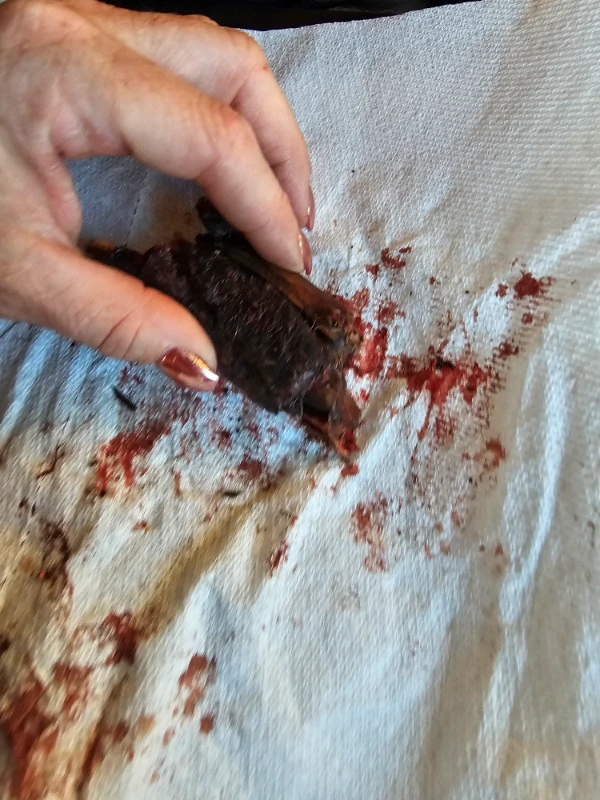
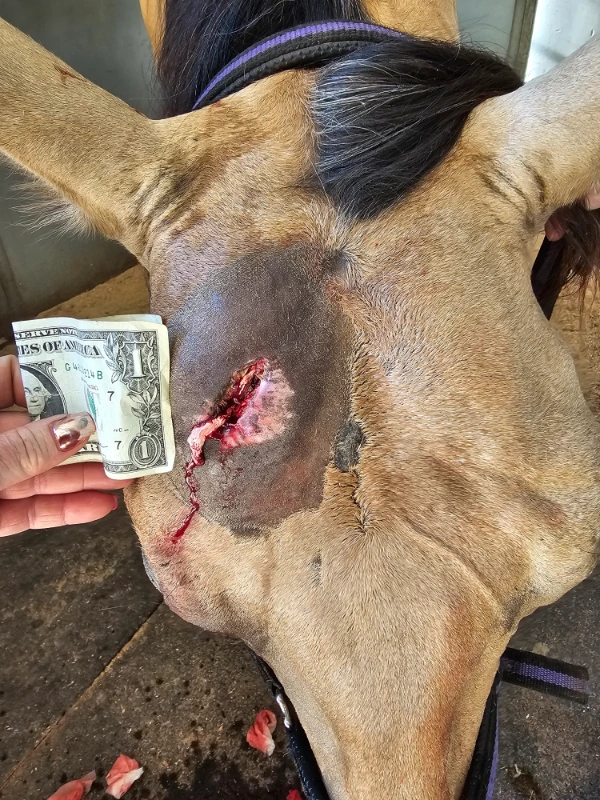
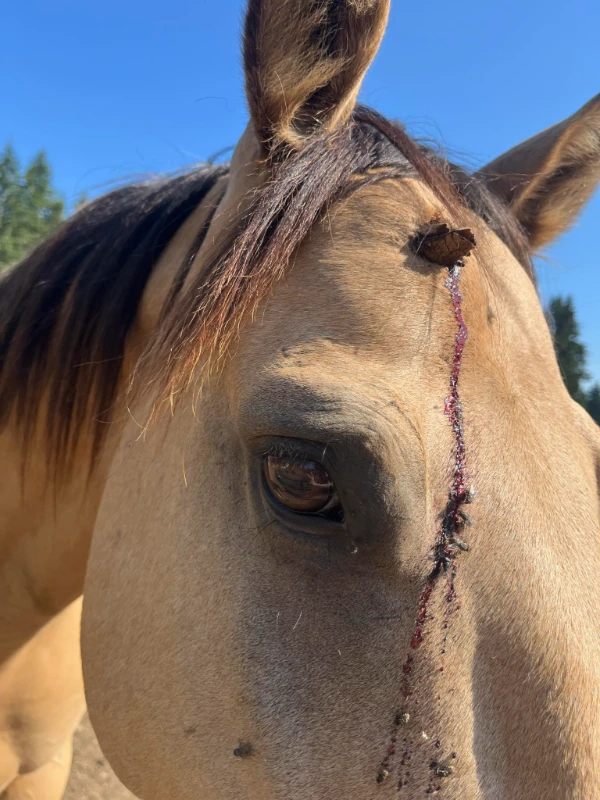
Caution: Graphic Content
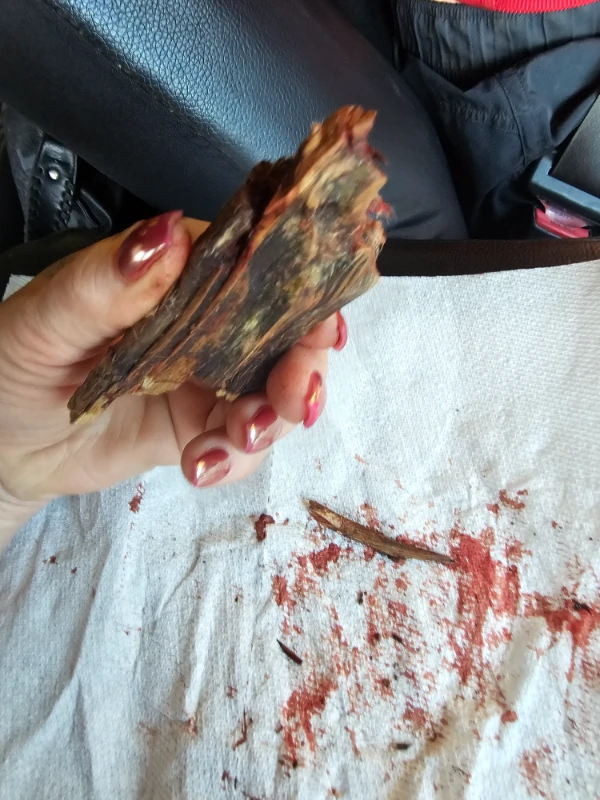
This serves as an important reminder of why you should high-skirt your pasture trees to prevent impaling injuries to pets and livestock. Be aware of potential hazards in your pastures.
Today, one of our own horses suffered an injury from a low-hanging, dead tree limb. This type of accident can happen to any horse, pet, or livestock. This incident highlights the critical importance of removing dead or hanging limbs directly from the tree and ensuring that your trees are skirted well above head height. Fortunately, this particular injury was a soft tissue wound and is expected to heal relatively easily. However, the potential for far more serious injuries is very real. Taking proactive steps now can prevent tragic outcomes later.
Protect your animals—inspect your pastures regularly and remove any dangerous tree limbs before an accident occurs.
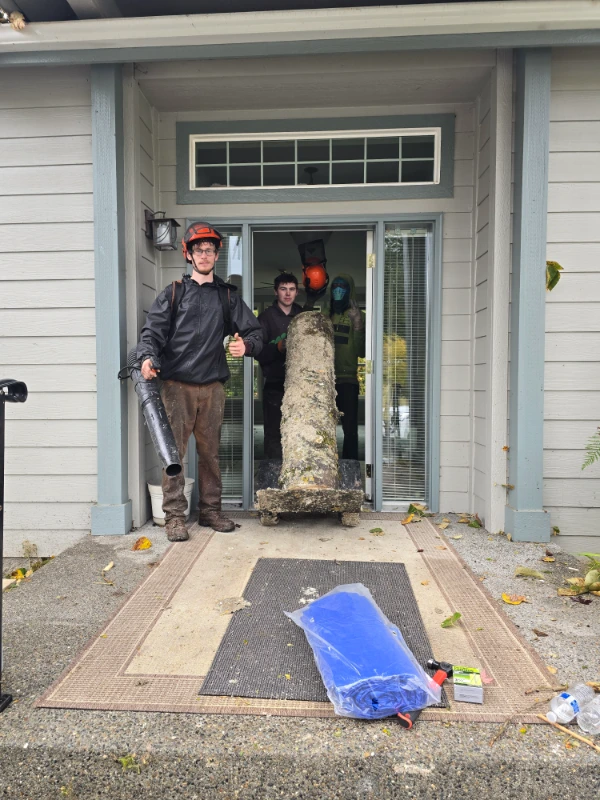
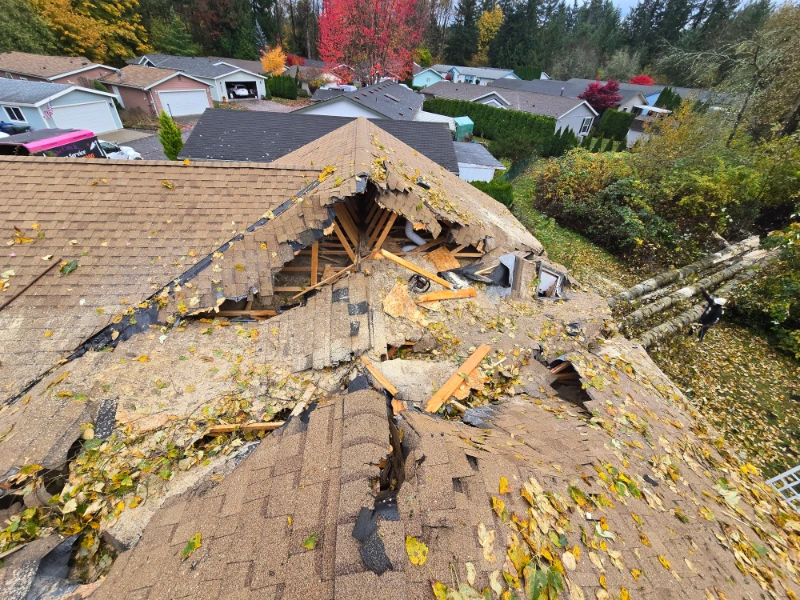
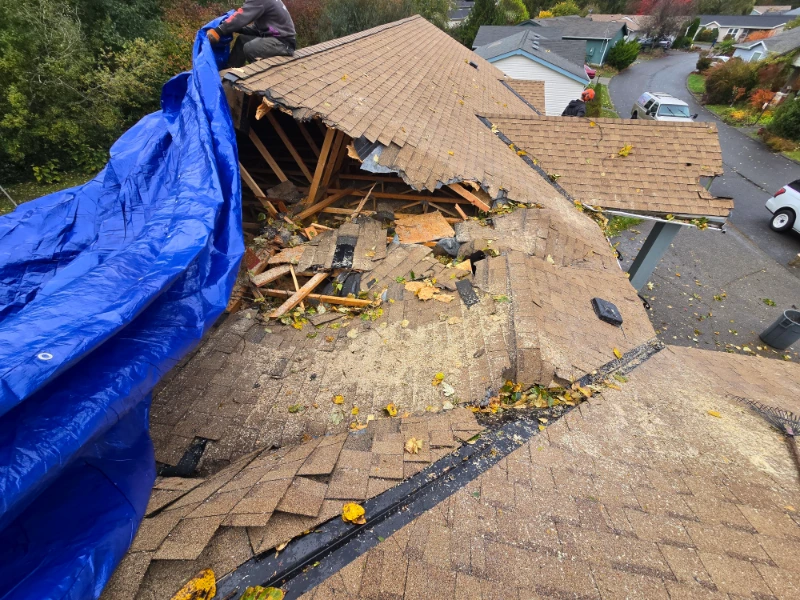
Western Washington Cottonwood
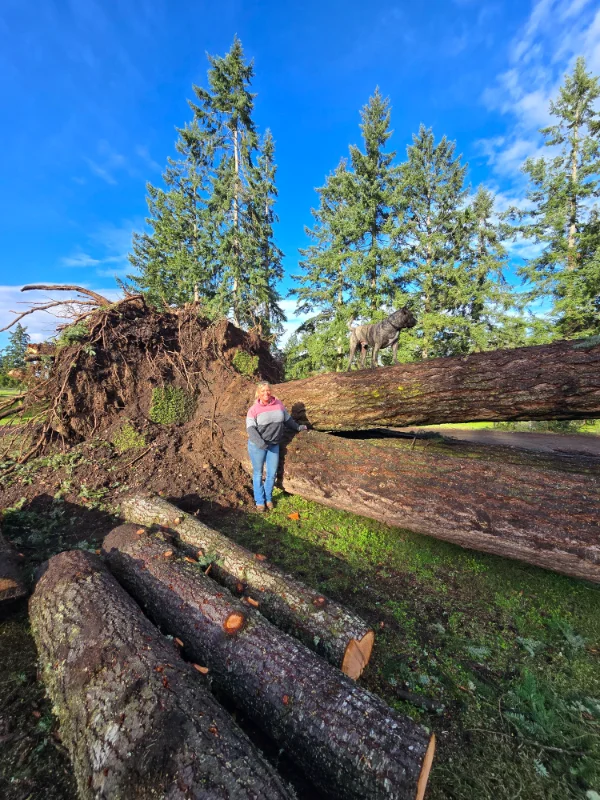
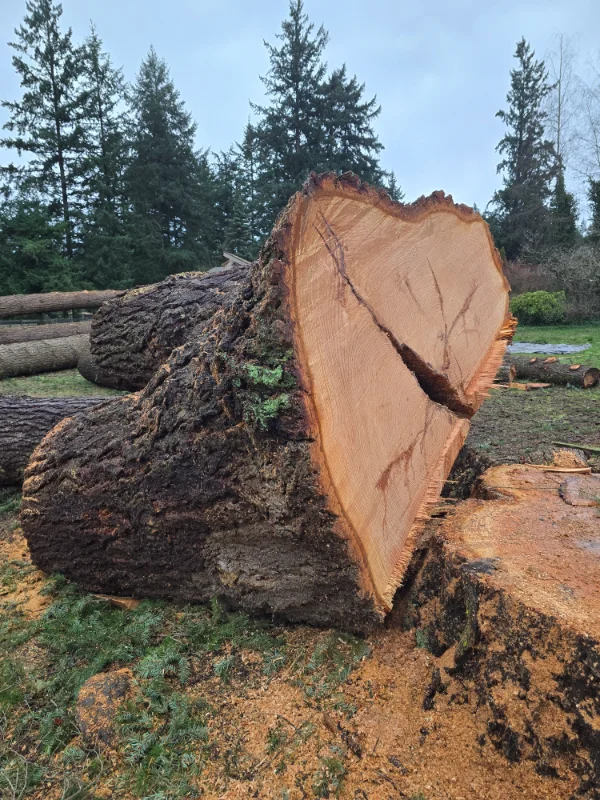
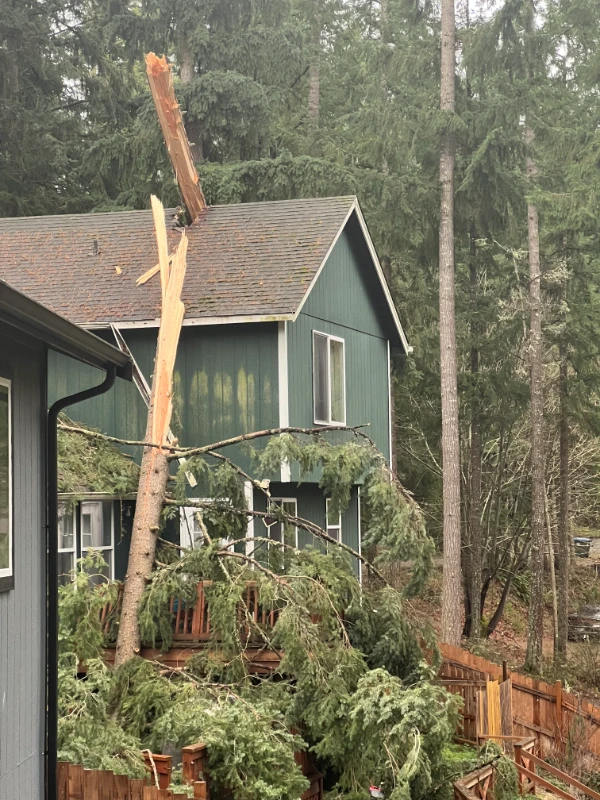
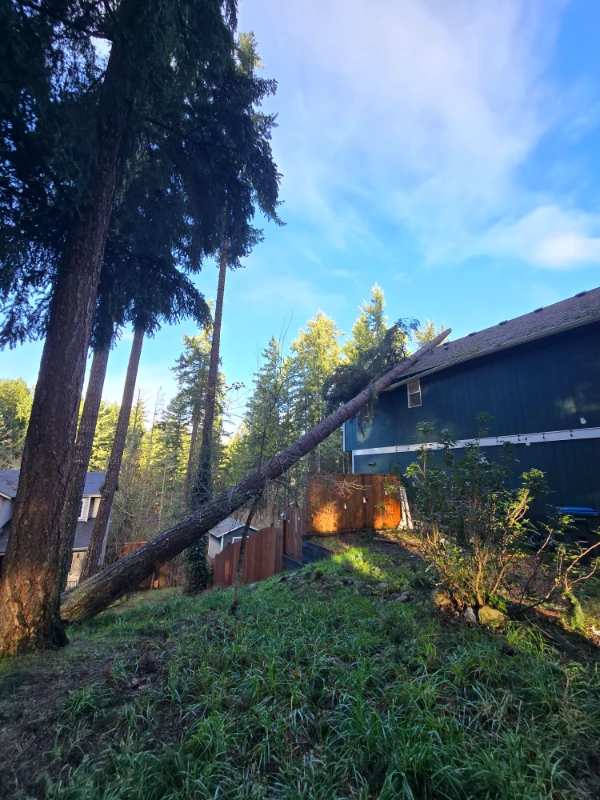
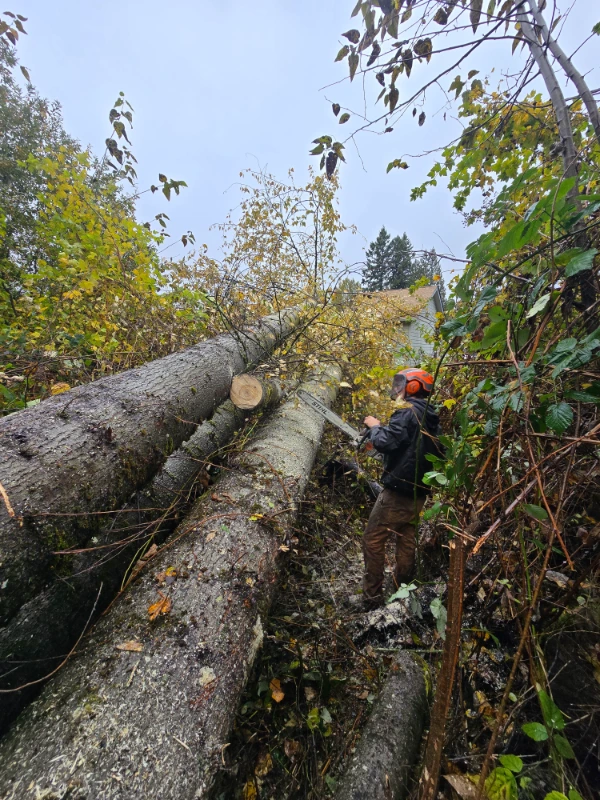
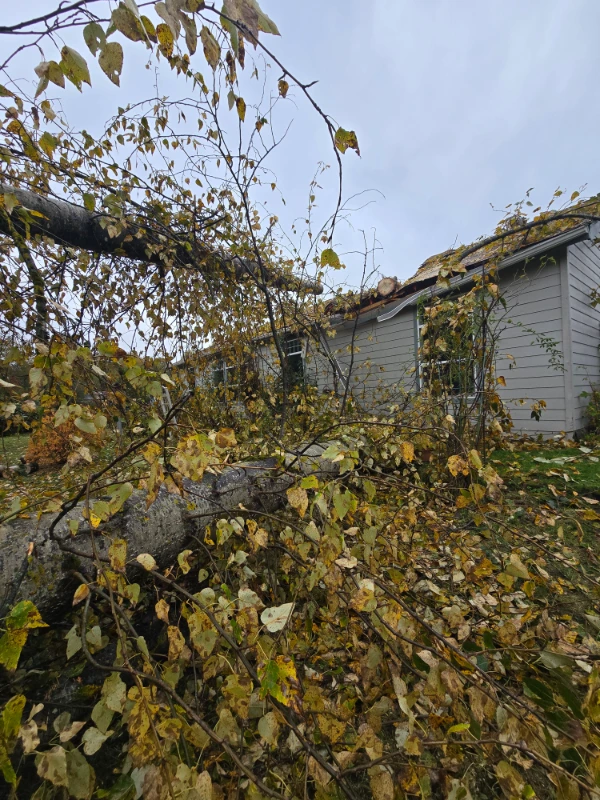
This was a traditional giant Western Washington Cottonwood, one of the most dangerous trees to have within any living space, around your home or anywhere that pets or loved ones frequent.
Known for dropping huge limbs and toppling completely over from minimal amounts of wind, this is definitely not a removal job for just any climber and should not be done by less than a seasoned, confident professional.
The total backyard Drop Zone in this particular removal definitely was not much space to work with, being only 25 ft by 60 ft.
Evergreen trees
Here is a perfect example of why topping evergreen trees is never recommended. Once the main trunk is cut, multiple limbs grow straight up in an attempt to recreate the top. This results in multiple competing tops, which, over time, begin to crowd each other.
As these limbs compete for space, they may break, causing damage to structures and creating hazards for humans and animals. Cutting the tree in this way creates an unhealthy top, essentially leaving a wound that exposes the tree.
Additionally, water can collect in the exposed area, leading to decay and rot, which increases the likelihood of limb breakage as the new tops grow and become heavy.
I describe a multiple-trunk tree as a giant top-heavy tower standing on one little leg, leaving it with no adequate foundation to stabilize such a giant top-heavy mass. This leaves it vulnerable to even minimal winds with saturated western Washington soil.